Two Hidden Gems in Lima’s Historic Center
Casa Aliaga: The Oldest House in Latin America
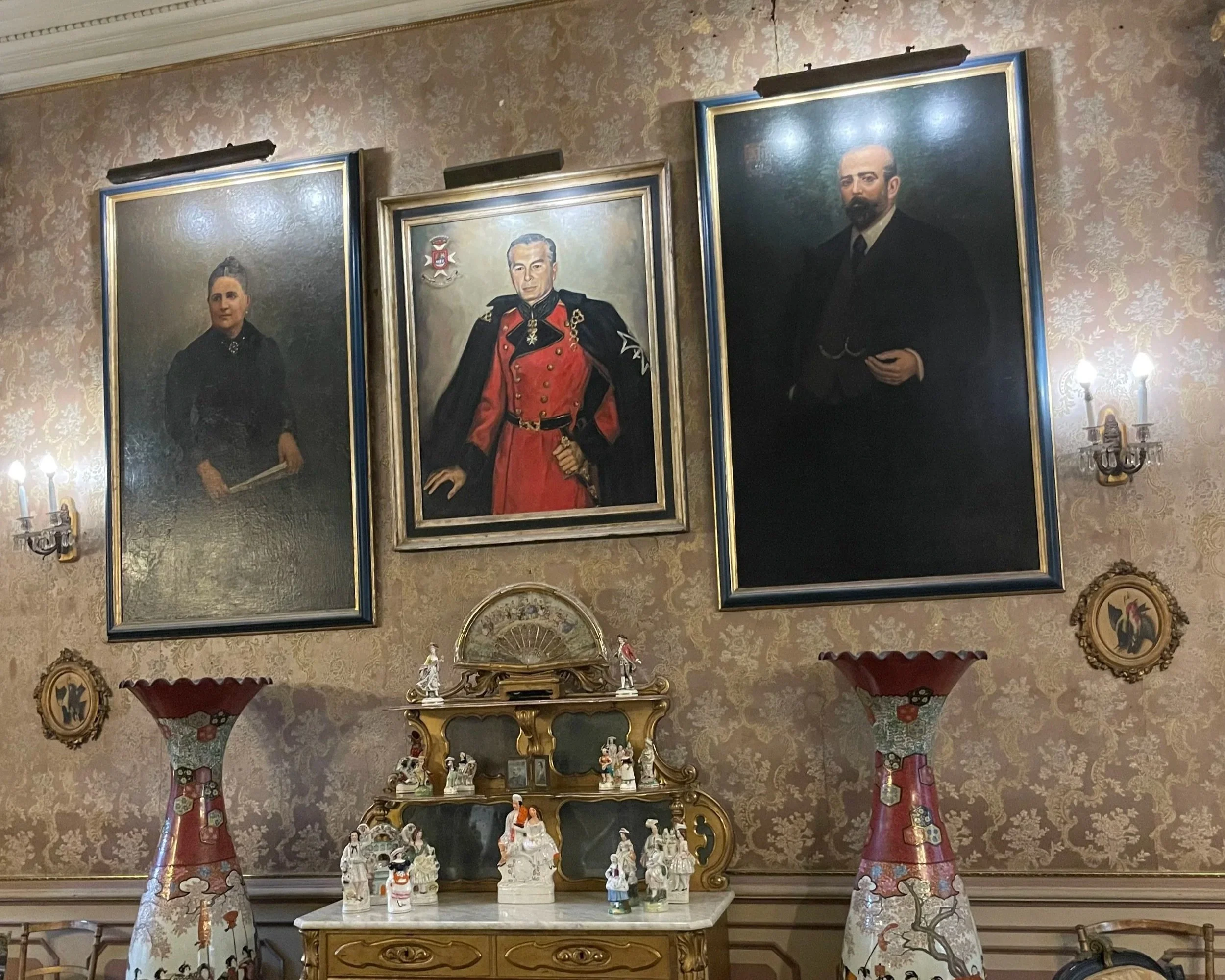
In 1535, five months after the Spanish founding of Lima, one of Pizarro’s generals, Jerónimo de Aliaga y Ramírez, was given this house by Pizarro himself. Now the 17th generation of the family still lives in the house, but they’ve opened up the central courtyard and rooms to the public.
Getting access is a little trickier than the other sites around the historical center. To enter Casa Aliaga, you must have an authorized guide. While the Casa Aliaga website has a list of guides, you cannot book through them directly. There are guides hanging around the historical center if you want to show up and find someone. There is an entry fee of 35 soles ( approx. $10) in addition to the guide fee.
I am too Type A to leave anything to the last minute, so I hired a guide through Peruvian World Tours via WhatsApp for a historical/architectural tour of the historic center. It was $60 per person, including hotel pick-up and drop-off.
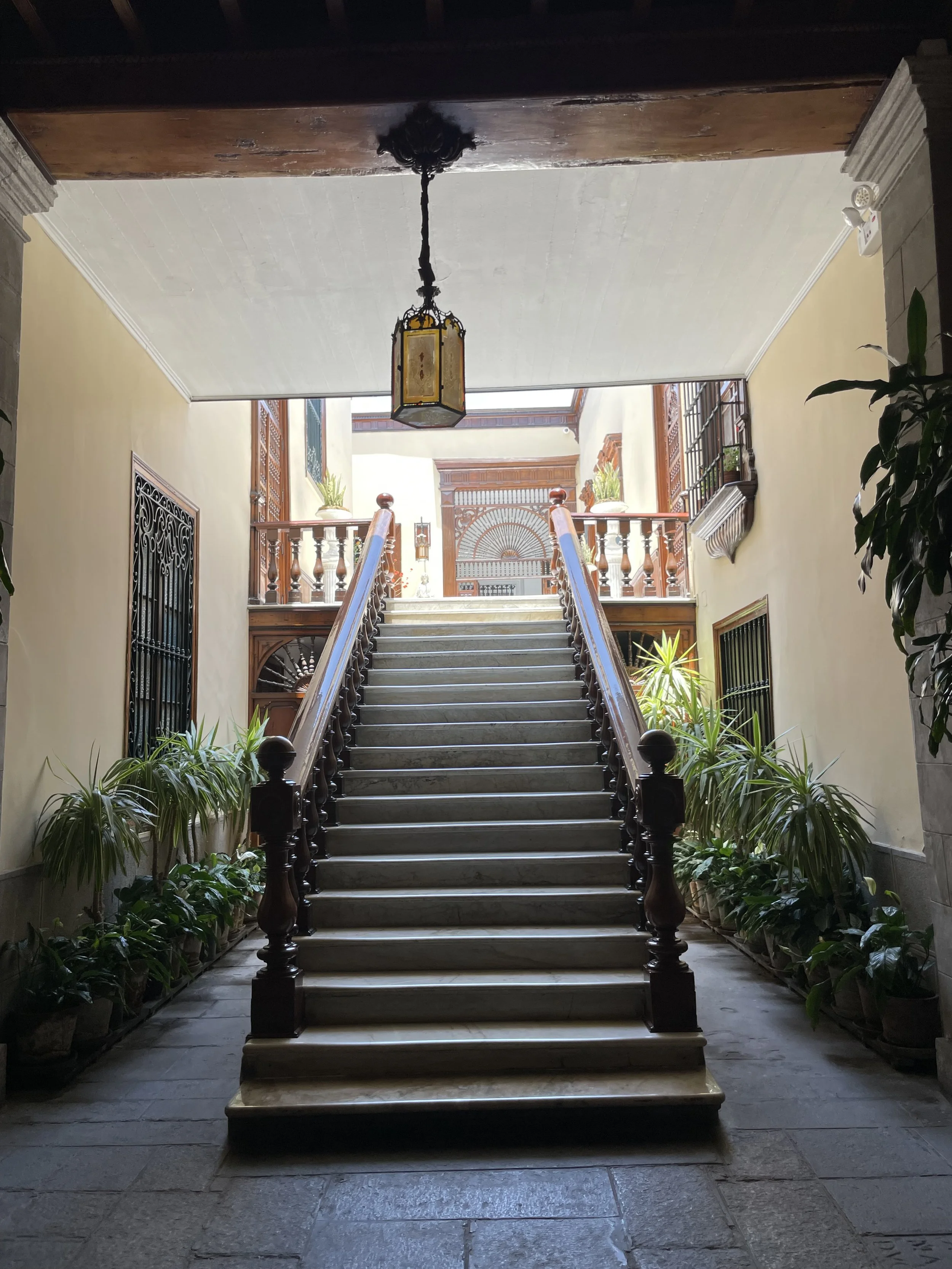
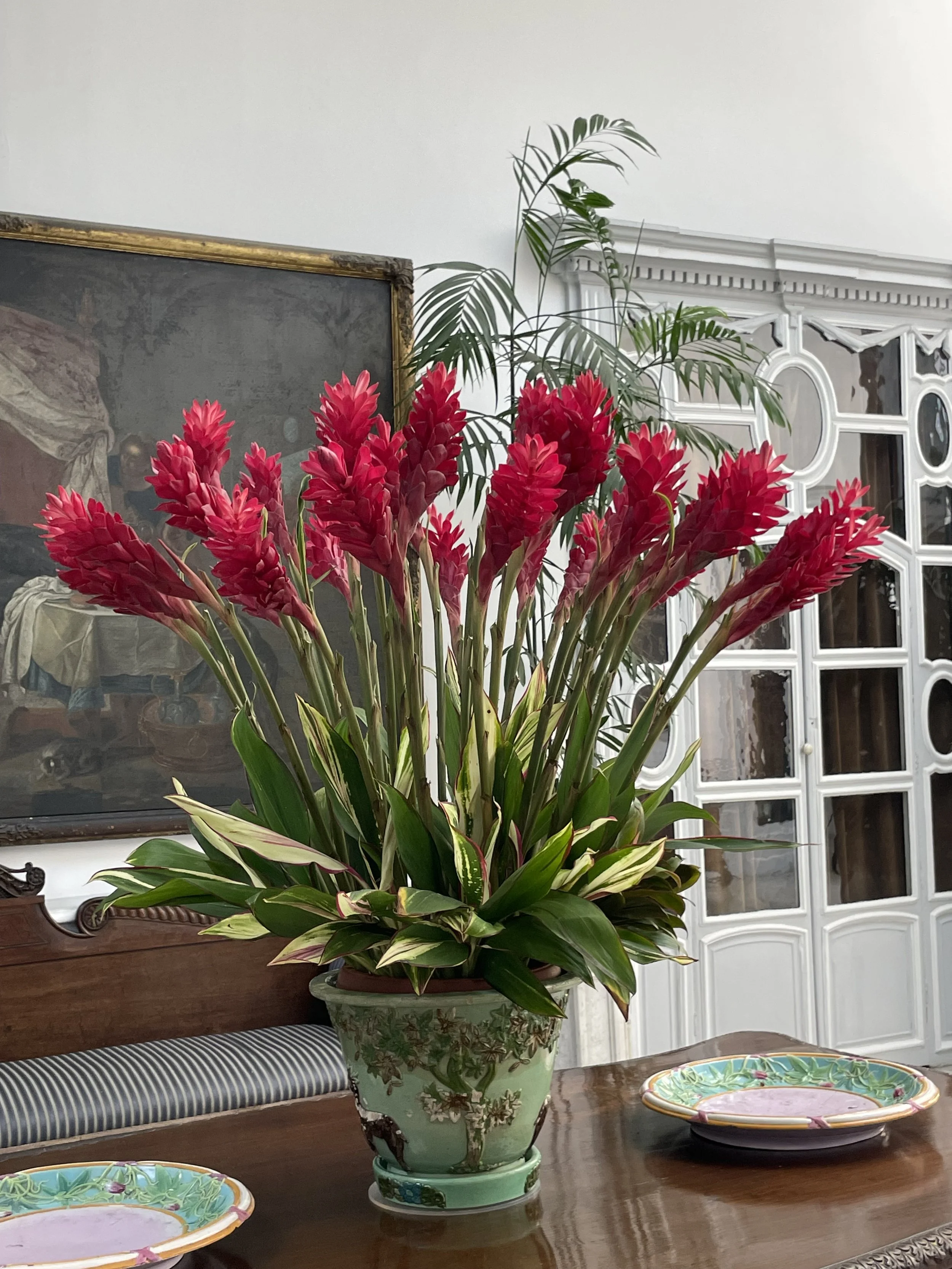
I was happy with this experience because it allowed for deeper insights into the design of Casa Aliaga, such as the staircase entrance and the red ginger flowers below, which were built only for and displayed in the homes of the Spanish elites in Lima. There is a replica of Aliaga’s sword as you enter the foyer, and in the traditional Andalusian courtyard, the Moorish wood designs can be seen in the balconies and a few remaining courtyards throughout the historic center, in the back.
The family still lives in the house, so only a few rooms are available for tours, but it is a fascinating glimpse into how Lima’s aristocratic class has lived for over five centuries.
For a more in-depth experience, you can sign up for a dinner hosted by Aliaga’s descendant, a professional chef in Lima, in the house.
The House of Peruvian Literature
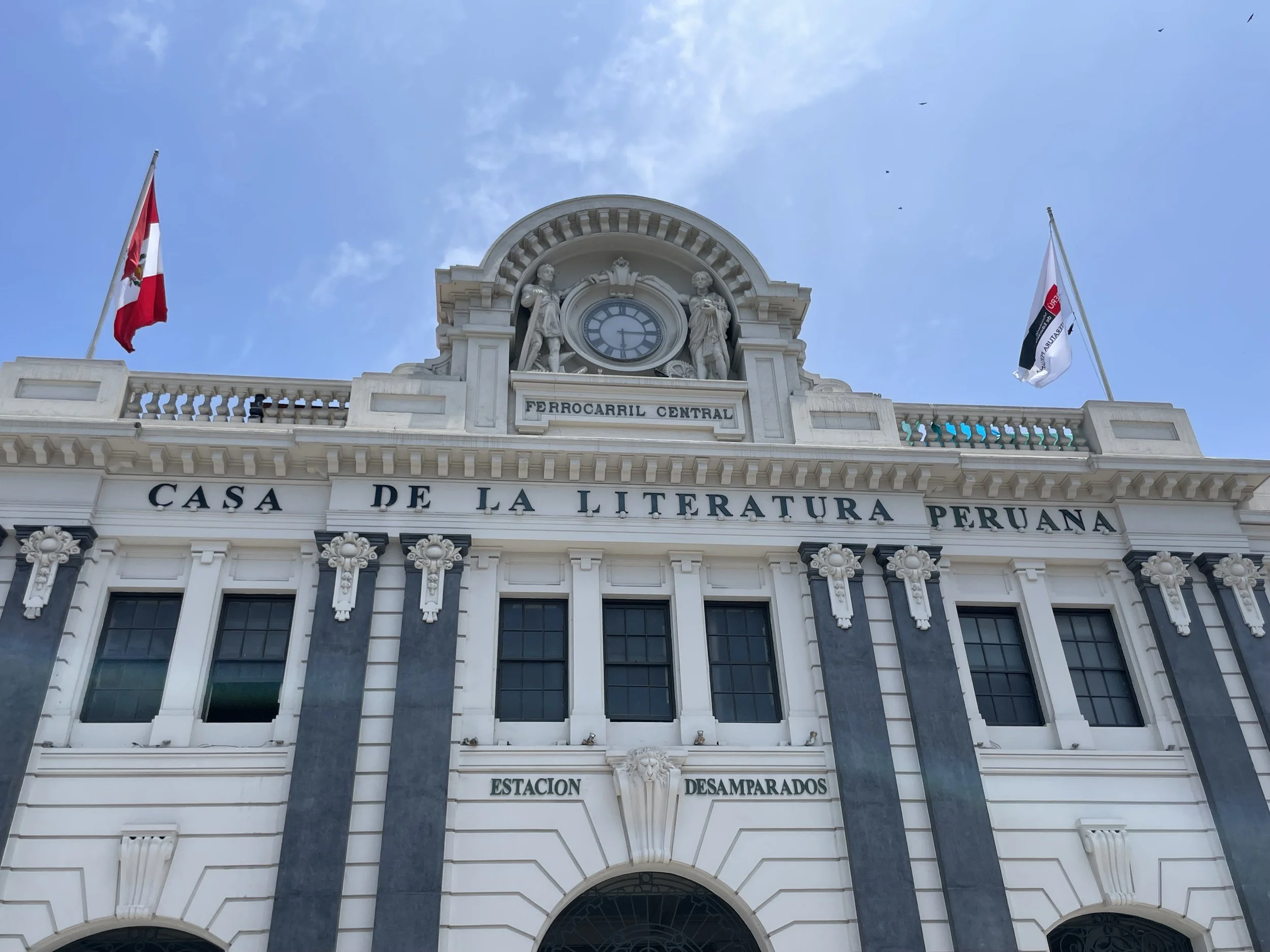
A short walk from the Plaza de Armas, the Peruvian House of Literature is housed in what was Lima’s Desamparados train station, and entry is completely free. Peruvian literature may fly under the radar, but there is one author who has made a name for himself internationally, and this museum conveniently houses his library: Mario Vargas Llosa.
Before I travel anywhere, I love to read about the destination-preferably in fiction. I started with Mario Vargas Llosa’s Death in the Andes, and then I devoured Time of the Hero, Conversation in the Cathedral, Bad Girl, and his non-fiction Notes on the Death of Culture. A controversial figure (married his first cousin, went from a communist to a conservative, ran for President and failed, to name a few!) and an immensely talented writer in both fiction and nonfiction, with an eye for detail in Peru, and in particular Lima’s social class stratification and its cultures.
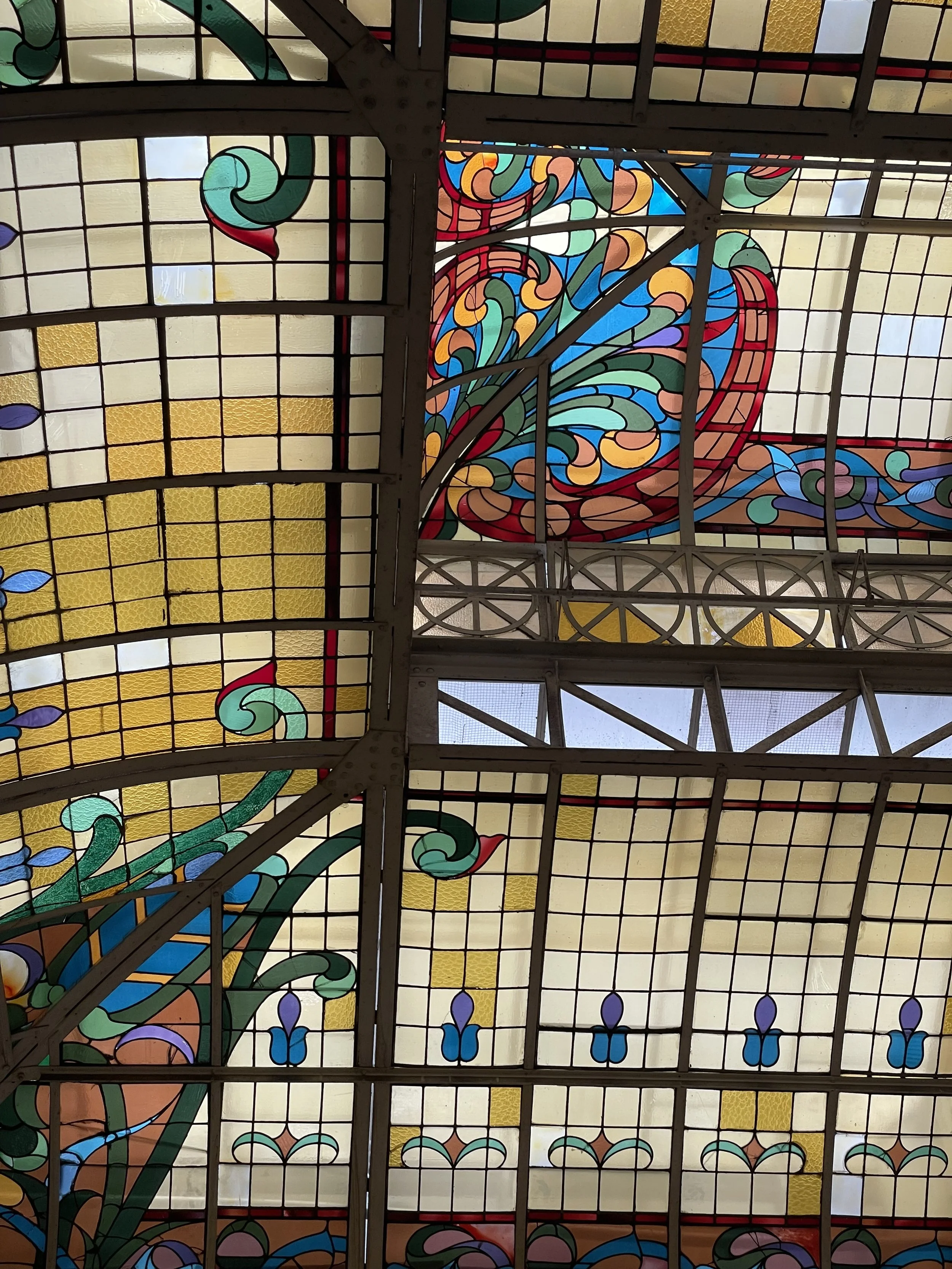
I wanted to visit to go through his library, but the museum charmed me. The Art Nouveau stained-glass roof reminded me more of Paris's cultural institutions, and the museum sees itself as a cultural center with 3 galleries of temporary art exhibits and 13 galleries dedicated to various Peruvian authors from the 19th and 20th centuries.
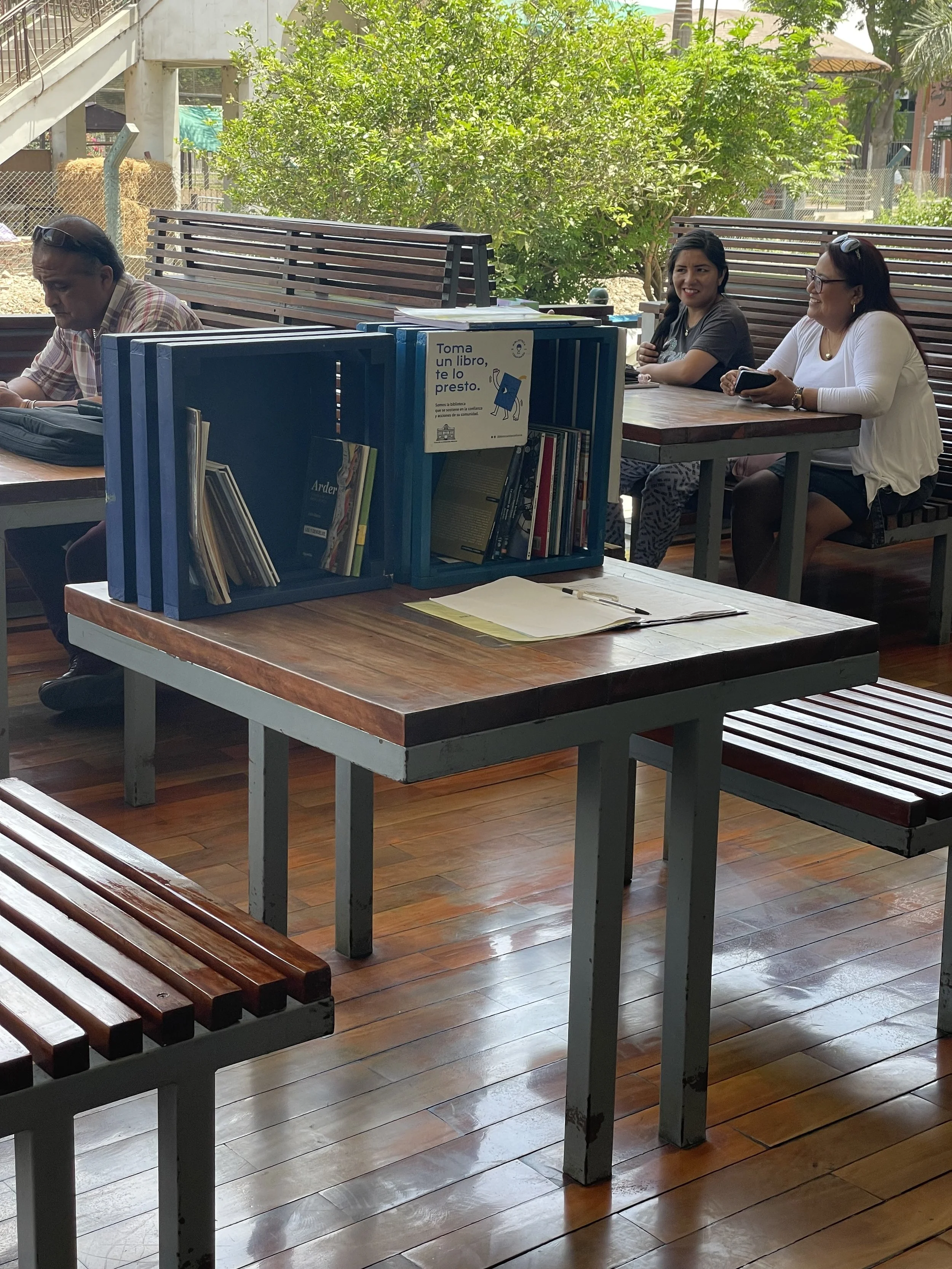
It is also home to an extensive library and a back courtyard for people to sit, read, and hang out. You can see Rimac and the bullfighting stadium, the oldest in South America, from the courtyard. Our guide said this backyard is a popular place for local university students to study during exams.
Like a lot of the other museums in the historic center, it is closed on Mondays.