Where to Stay in Lima: A Neighborhood Guide
Lima doesn’t have a central, downtown area that makes planning where to stay easy. However, it has many fantastic neighborhoods to pick from depending on what kind of experience you want.
I’ve stayed in all five of these Lima neighborhoods at various points in my travels and there truly is somewhere for everybody from the convenient and touristy to the off the beaten path (while remaining safe, of course!)
Here’s my guide to the five best neighborhoods to stay in while you visit Lima with a pro/con list for each.
Barranco
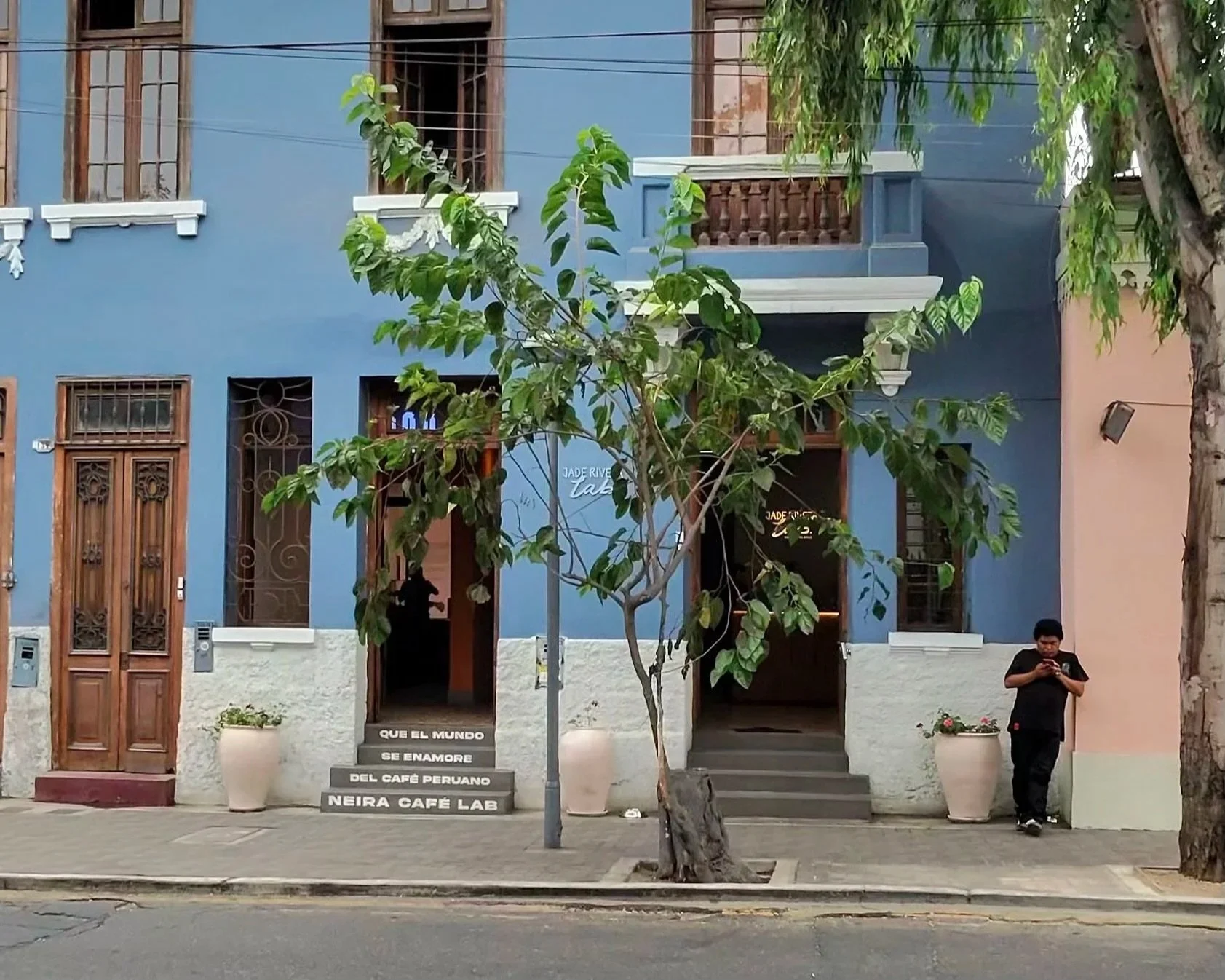
The artsy neighborhood in Lima. Directly south of the affluent Miraflores, Barranco fell into disrepair and was revitalized by artists who have made their mark on the neighborhood permanently. Full of artisanal coffee and chocolate shops, art galleries, and mom-and-pop restaurants, there is a lot to do! There are also street food vendors, great specialty souvenir shops, and what I think is the best hotel in Lima.
If you’re a traveler who values arts, culture, and a boutique feel, then Barranco is a great fit. While there is a lot to experience here, I will say Barranco still feels touristy- be prepared to see lots of tour groups hitting up the alpaca wool shops and the art galleries. If you want a more local feel, check out Jesús María or Pueblo Libre below.
It is a nightlife hub, so some areas can be a little sketchy at night. Don’t walk around on your phone.
Pros:
Cons:
Miraflores
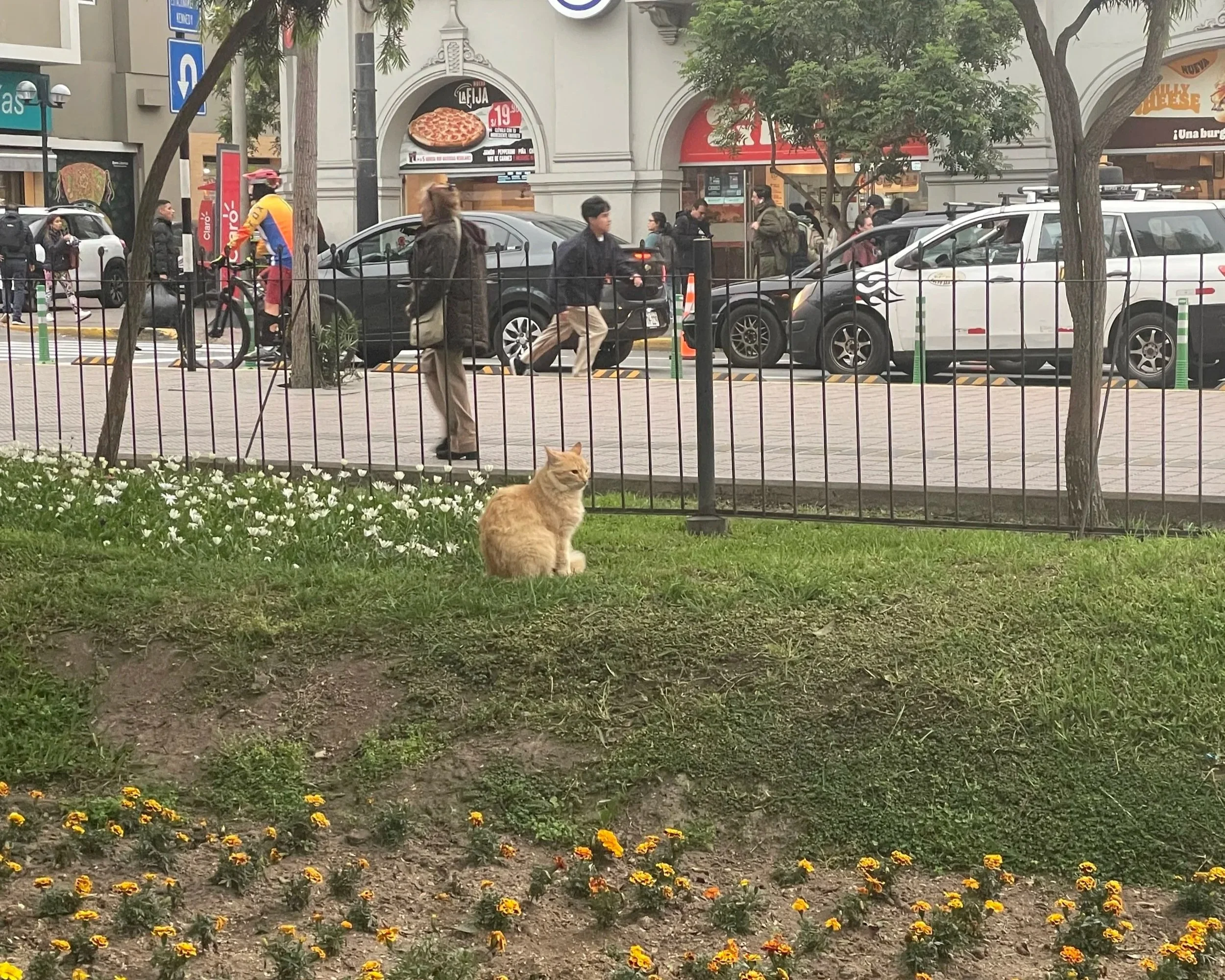
This is Lima's tourism hub, and that doesn’t have to be a bad thing. It is the most convenient neighborhood for all tour activities and for long-term stays thanks to the large number of hotels and Airbnbs.
I stayed in Miraflores for three weeks while I went to a nearby Spanish language school and had a great time. It’s incredibly safe, too. I loved running on the Malecon, the cliffside pedestrian path with stunning ocean views, every night after class. There are also local attractions like the cat-filled Parque Kennedy, the Indian market for souvenirs, the food court Mercado 28, and Calle Berlin for all nightlife needs.
It’s incredibly walkable, safe, and there are lots of great restaurants from lunchtime ceviche spots to fancy dinners and cocktail bars.
If it’s your first time in Lima, I would recommend staying here to get your bearings.
Pros: Convenient for tours, lots to do
Cons: Touristy, not as much character as other neighborhoods
San Isidro
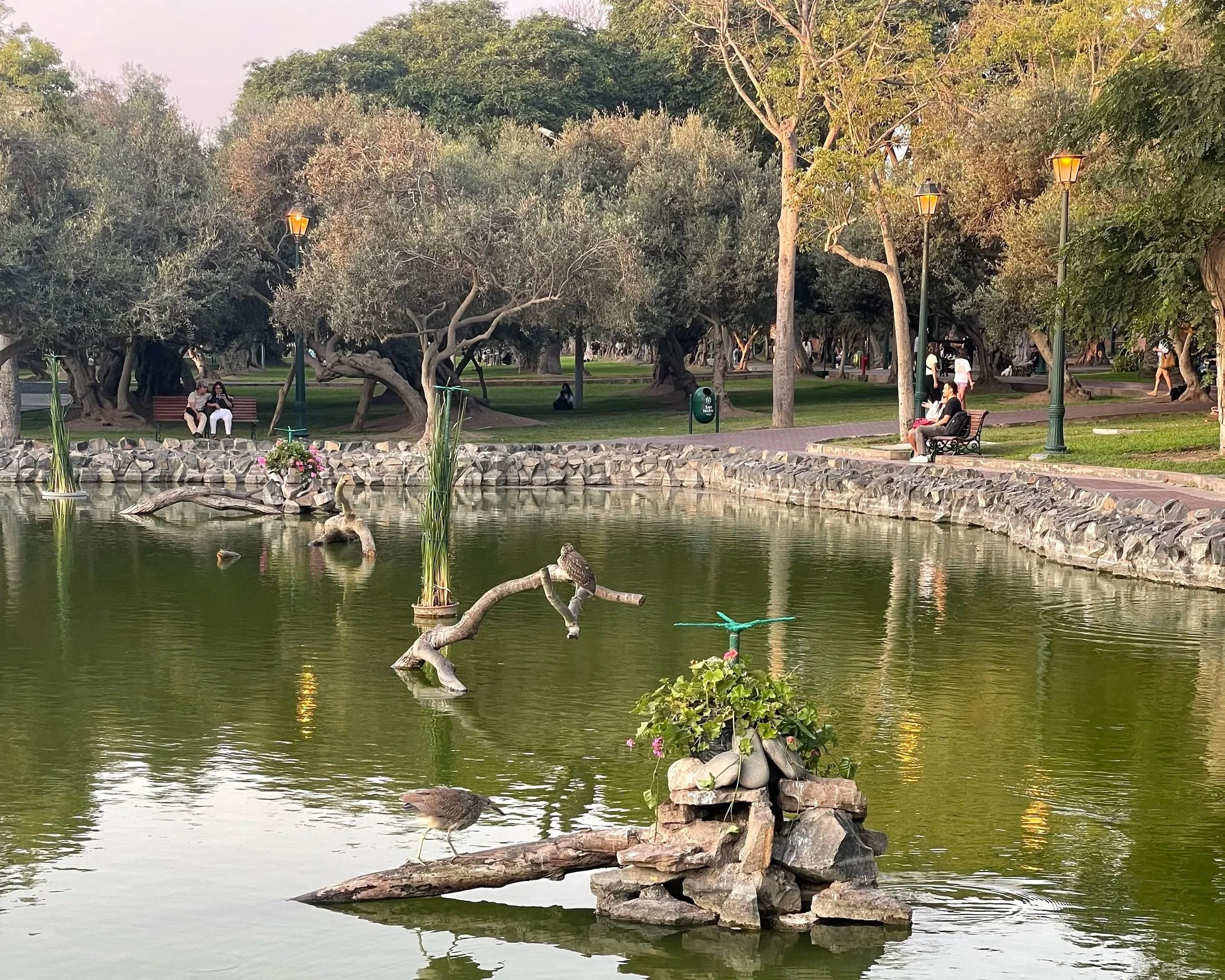
San Isidro is Lima’s Wall Street, and it shows. This is where the wealthiest Limenos call home. With more than a few five-star hotels, the beautiful Parque El Olivar, and almost 400-year-old olive trees, San Isidro is perfect for tourists looking for an upscale experience.
This is also the neighborhood where Lima’s most famous restaurants such as Osaka and Astrid y Gaston reside, as well as designer brands and luxury shops.
Pros: Upscale, safe
Cons: Expensive
Jesus Maria
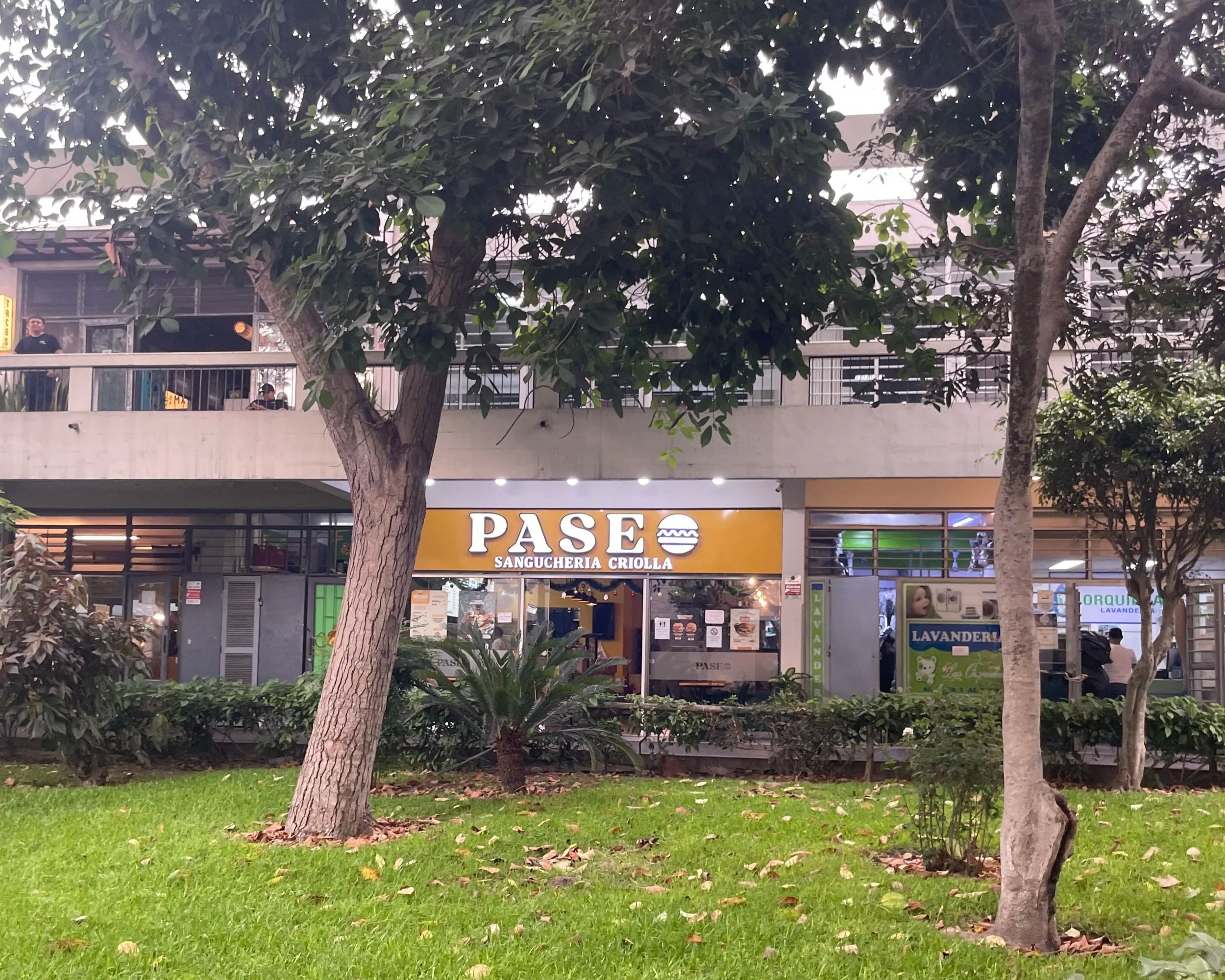
In January, I booked an Airbnb that straddled Jesús María and Pueblo Libre, and I loved it. If you are looking for something off the beaten path or plan on doing slow travel, Jesús María was my favorite neighborhood. An upper-middle-class neighborhood, it has a lot of local restaurants that you won’t hear about on Instagram or online. It’s also the home of Lima’s Japanese Cultural Center.
But because it is not a tourist hub, it is quiet! Great if you like a chill, local neighborhood, but boring if you want somewhere more bustling with a lot to do right outside of your door. Most tour groups do pick up and drop off from the three neighborhoods above, so plan to get around with Uber instead.
Pros: Not touristy, quiet/local
Cons: Harder to get around, not as much to do, not as many hotels
Pueblo Libre
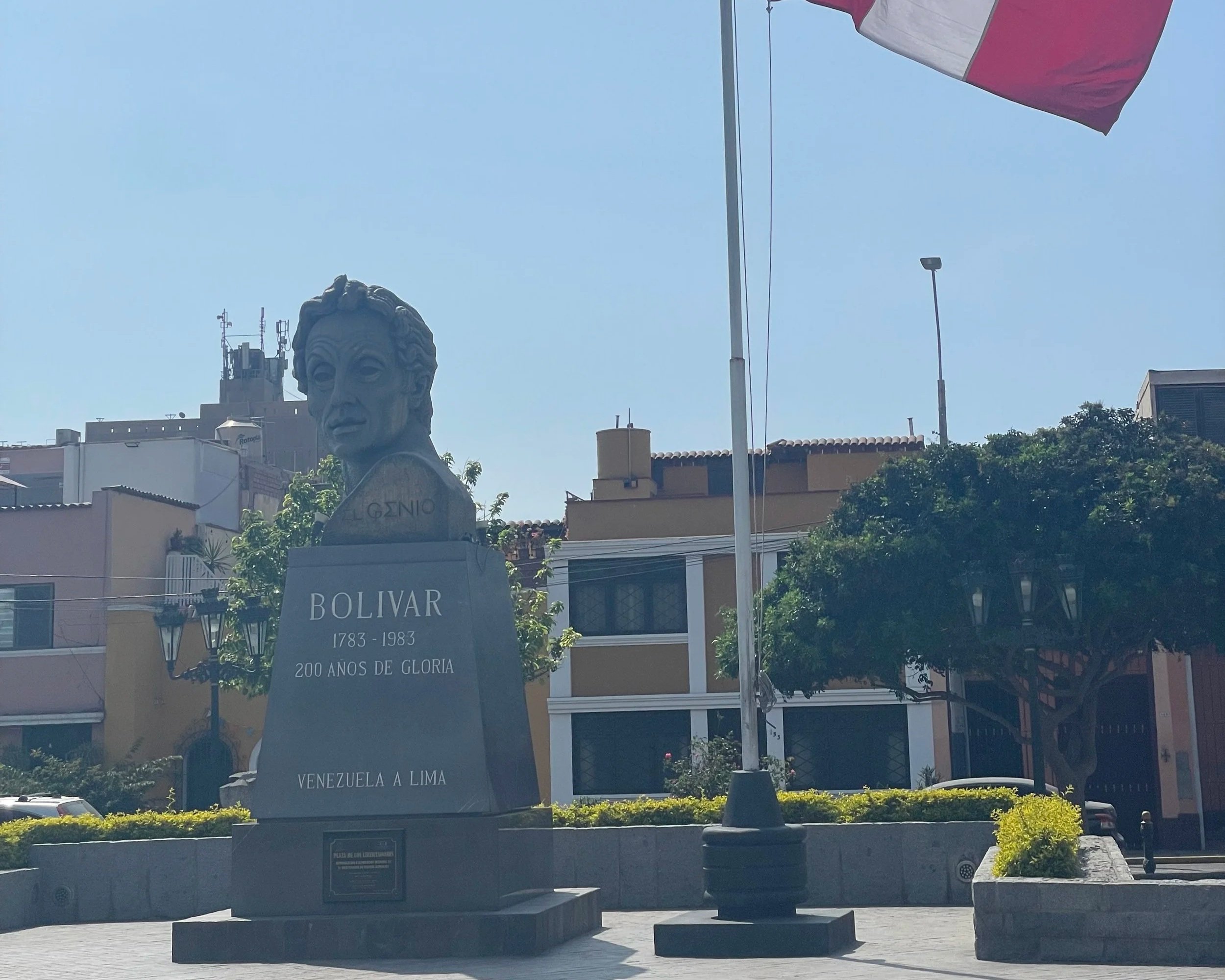
The historical neighborhood outside of downtown, Pueblo Libre, is where to find Lima’s best museums (the Larco Museum!) and has the most parks out of any neighborhood in the city. It is also where you can find my favorite coffee shop in town. Lima’s oldest restaurant, Antiguo Taverna Quierolo, is here right off of the Liberator’s Plaza, which also has the free National Archaeological Museum and the Boulevard of Peruvian Stars, à la the Hollywood Walk of Fame.
Most of the attractions are on the west side of the neighborhood, going closer to Jesús María. While there are tourist attractions, there is little tourism infrastructure here and fewer English speakers as a result. If you are an adventurous traveler, then there’s a lot to love here. This site, run by an Australian who lives in Publo Libre, is a great guide for what to do in the neighborhood.
Pros: Historical, local feel, restaurants/coffee shops
Cons: No tourism infrastructure, quiet